Food allergies in dogs are common and can make life difficult for your four-legged friend. Itching, digestive problems or skin rashes - these can all be typical symptoms. With a targeted exclusion diet, you can find out which food is really good for your dog. In this article, you will learn everything you need to know to help your dog effectively.
What is a food allergy?
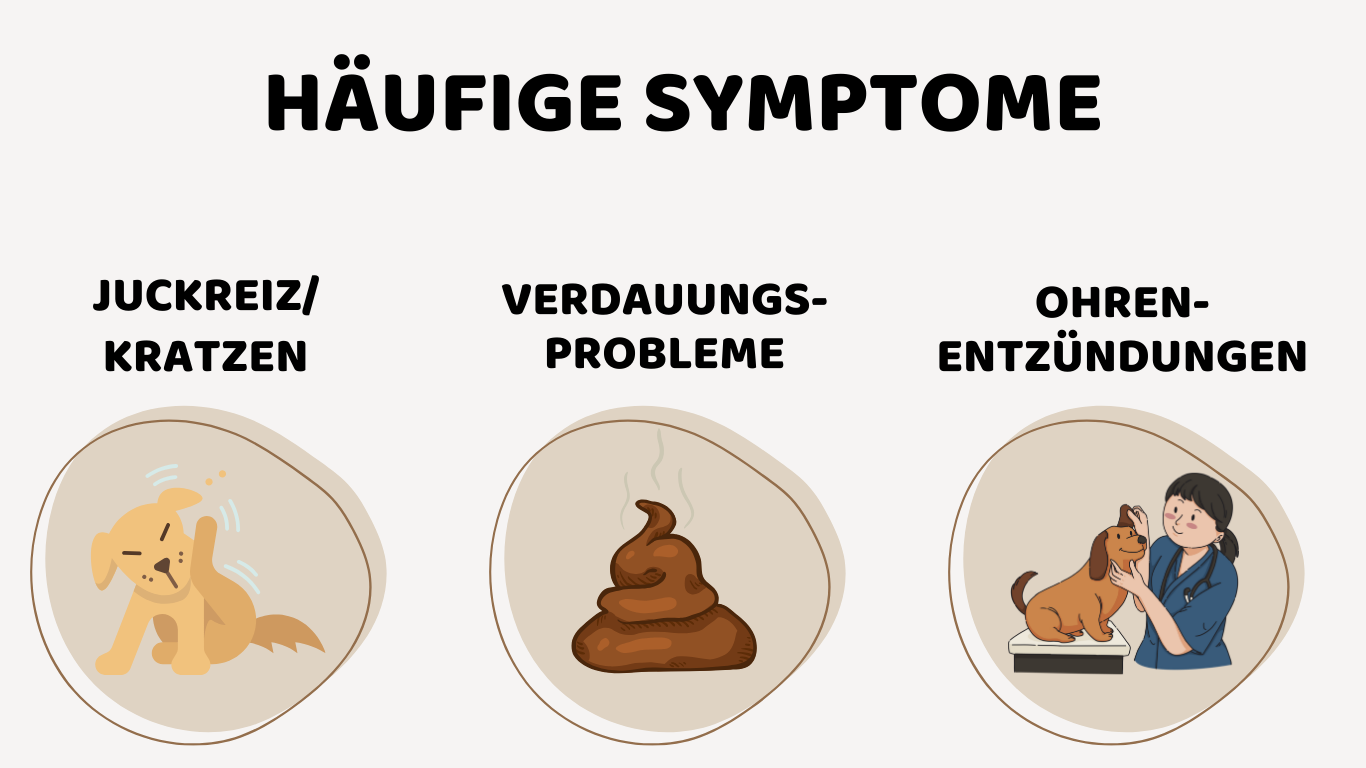
A food allergy occurs when your dog's immune system overreacts to certain food ingredients - usually proteins from meat or plant-based ingredients. The most common symptoms are
- Itching and scratching (often on paws, ears or belly)
- Skin changes such as redness or pustules
- Chronic ear infections
- Digestive problems such as diarrhea or vomiting
In some cases, secondary problems such as bacterial skin infections or yeast infections can also occur. This often makes diagnosis more difficult. Do you notice such signs in your dog? Then it's time to start an elimination diet - ideally in consultation with a nutritionist.

Exclusion diet for dogs: how it works
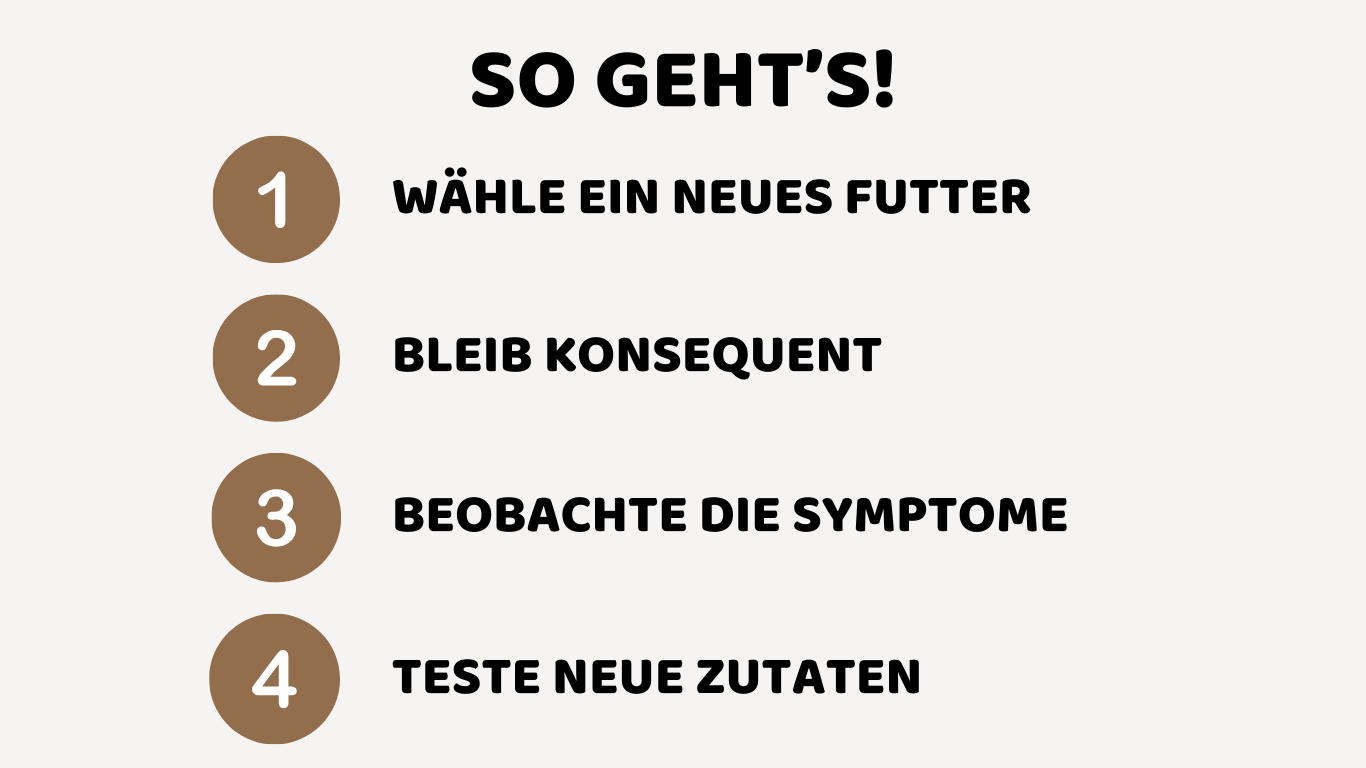
One Exclusion diet for dogs is the best method for detecting food allergies. This is how it works:
- Choose a new lining:
Switch your dog to an unfamiliar protein source such as horse or goat. Combine it with a new type of vegetable. - Stay consistent:
Your dog may 8-12 weeks only get this food. No treats, chewy sticks or leftover food - Anything that could falsify the test is taboo. - Observe the symptoms:
If the symptoms disappear, the old food was the trigger. - Test new ingredients:
Gradually introduce other ingredients after the diet. Give your dog 2 weeks time eachto make sure he can tolerate the new ingredient.
This is why an exclusion diet is essential
Without a clear diagnosis, your dog will struggle with the same symptoms again and again. In such cases, many people resort to medication such as cortisone, which may help in the short term but does not eliminate the cause.
One Exclusion diet for dogs offers a long-term solution: it identifies the trigger and helps you to give your dog the right nutrition. This will improve his quality of life and make him feel good again.

Practical tips for the elimination diet
- Patience is the key: It takes time for symptoms to subside. Hang in there - your dog will thank you for it.
- Document everything: Keep a food diary. Apps such as "DogLog" can help you keep track of food and symptoms.
- No distractions: Make sure that your dog doesn't get to other dogs' food if you have more than one. Separate feeding can help here.
- Watch out for hidden ingredients: Read the ingredient lists of treats, dental care snacks or flavored medicines carefully. Allergens are often hidden in unexpected products.

What to do if the exclusion diet does not help?
If the symptoms persist despite the exclusion diet, environmental allergies or other illnesses could be the cause. In this case, you should consult a vet and have further tests such as blood or skin tests carried out.
Conclusion: You can help your dog!
Although food allergies in dogs are a challenge, you can often help your dog effectively with an elimination diet. It is worth remaining patient and finding the trigger. Your four-legged friend will thank you with a healthy and happy life.
If your dog needs support, I will be happy to help you! In the store you will find specially formulated exclusion diets and individual advice. Together we will find the right way and the right food for your dog. I look forward to seeing you!
Would you also like to feed your dog a species-appropriate diet? Click here for my BARF nutrition plans: https://www.barfzeit.com/shop
Bake your own treats? Click here for my book: https://www.aussie-falko.com